What is Generative Engine Optimization (GEO) and Why Agencies Need It

Generative Engine Optimization (GEO) is the critical evolution of technical SEO, shifting focus from ranking on SERPs to influencing AI-driven answer engines like ChatGPT, Gemini, and Claude. Agencies must adapt their technical and content strategies—specifically concerning structured data, API-driven content syndication, and E-E-A-T signals—to ensure their clients remain visible within generative AI summaries and citations. Failure to optimize for these emerging discovery platforms will result in catastrophic visibility loss as traditional keyword-based search traffic declines.
The Core Agency Bottleneck
For digital agencies, the shift to Generative AI Search presents an existential threat to existing retainers. Traditional SEO KPIs—organic traffic volume and keyword ranking position—are rapidly becoming obsolete as users seek direct answers rather than lists of links. Agencies face three immediate bottlenecks:
-
The "Black Box" Problem: GEO lacks the transparency of traditional SEO; LLMs synthesize information from varied sources (often without clear attribution), making it difficult to measure direct impact.
-
Outdated Technical Stacks: Agency client websites, often built on legacy CMS platforms or monolithic PHP/MySQL architectures without robust API layers, cannot easily syndicate the structured, real-time data required by modern generative engines.
-
Content Silos: Agency content strategies focus on creating broad-based "SEO content" rather than the precise, entity-rich, verifiable data points that LLMs prefer to ingest and cite.
Technical & Operational Architecture
To achieve GEO visibility, agencies must evolve their clients' technology stacks from static brochureware to dynamic, knowledge-disseminating hubs. This requires a fundamental architectural shift:
| Component | Traditional SEO Architecture | GEO-Optimized Architecture |
| Data Storage | Monolithic MySQL database, unstructured content blobs. | Decoupled CMS/Headless architecture; structured entity data stored in graph databases or JSON-LD. |
| Content Delivery | Server-side rendering (SSR) via PHP/LAMP stack; HTML intended for human consumption. | API-first delivery (REST/GraphQL); content syndicated to AI training data pipelines and real-time RAG (Retrieval-Augmented Generation) endpoints. |
| Markup & Schema | Basic Schema.org (Organization, Article, FAQ). | Advanced, interconnected Schema.org graph defining complex relationships between entities, services, and industry knowledge. |
| Visibility Metric | Keyword Ranking Position, Organic Traffic. | Share of Voice in AI Citations, Brand Entity Association, Sentiment Analysis within Generated Answers. |
Step-by-Step Execution Protocol
-
Entity Audit and Knowledge Graph Construction: Identify the core entities your client owns (People, Services, Products, Proprietary Data). Map these entities using Schema.org JSON-LD, creating a semantic web of data that is easily machine-readable by LLM crawlers.
-
API-First Content Syndication: Decouple content from presentation. Ensure all high-value agency content (case studies, white papers, technical specs) is exposed via secure, performant APIs. This allows generative engines to ingest verified data directly, bypassing the need to scrape and interpret HTML.
-
Authority and Citation Optimization: Generative engines prioritize verifiable expertise (E-E-A-T). Optimize client websites to feature prominent author credentials, verifiable statistics, and primary source attribution. The goal is to become the definitive, citable source for specific industry queries.
-
RAG Pipeline Injection: Implement technical protocols (like
robots.txtdirectives for AI bots and specific HTTP headers) that invite AI crawlers to index client data for Retrieval-Augmented Generation (RAG) models, ensuring the brand is included in the LLM's immediate context window. -
Continuous Monitoring and Feedback Loop: Deploy automated tools to monitor mentions and citations within generative search results. Use NLP (Natural Language Processing) sentiment analysis to understand how the AI is summarizing the brand and adjust technical and content signals accordingly. Automate this reporting within the agency's existing CI/CD and client dashboard infrastructure.
Continue Reading
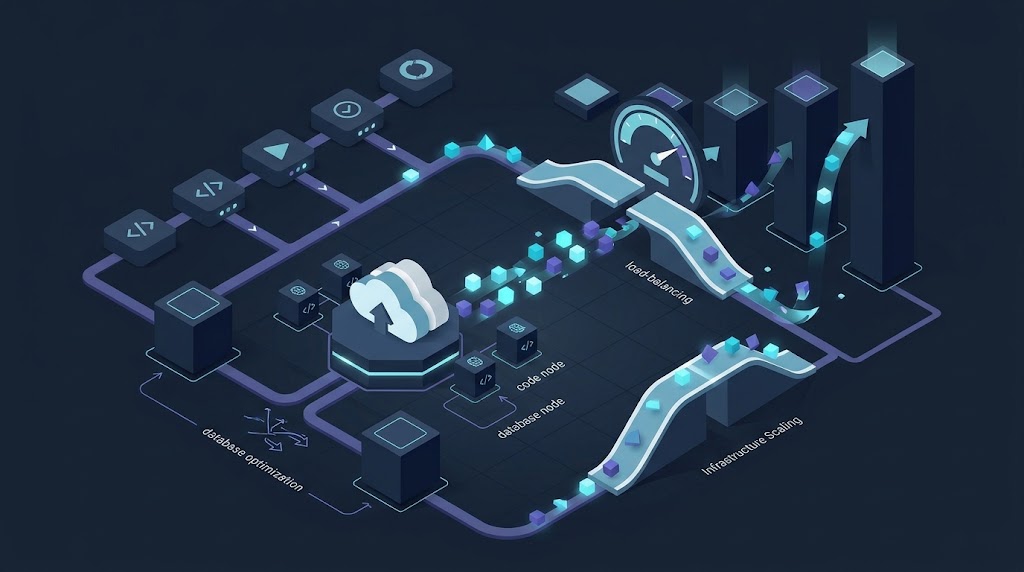
Preparing Your Agency's Tech Infrastructure for Q4 High-Volume Traffic
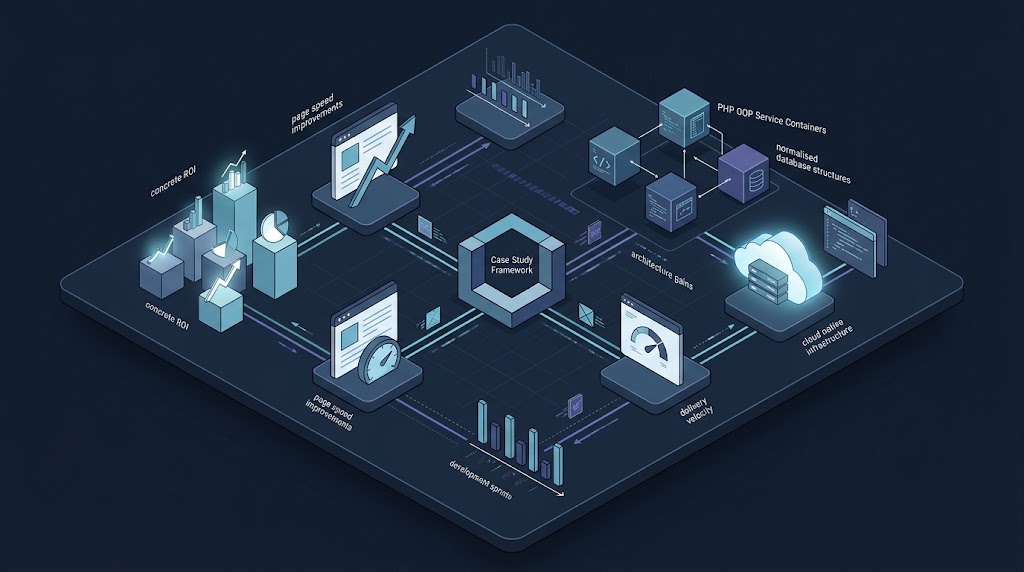
Case Study Framework: Demonstrating ROI for Agency Engineering Sprints
